
Key Takeaways
- Iodine is essential for making thyroid hormones, which help control how our bodies use energy.
- Too little iodine can lead to problems like an enlarged thyroid (goiter) and a slower metabolism.
- Too much iodine can also upset the thyroid gland, possibly causing illnesses.
- Pregnant women and young children especially need enough iodine to help with brain growth.
- Foods like fish, seaweed, and iodized salt provide good amounts of iodine to keep us healthy.
Introduction to Iodine
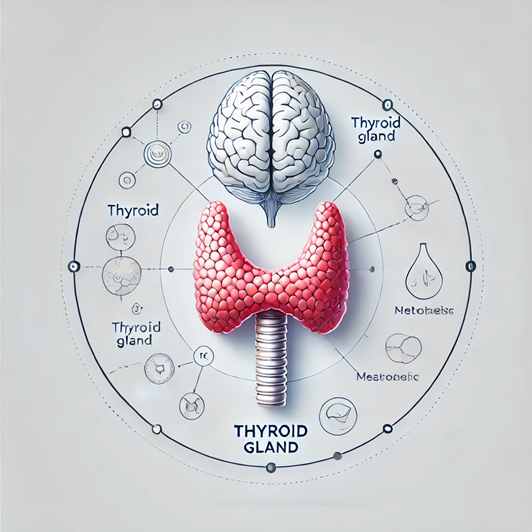
Iodine is a trace element that our bodies need in small amounts but cannot make on their own. Even though we only need a tiny bit, it does big jobs, like helping our thyroid gland produce important hormones. I remember learning about iodine when I was studying nutrition: I was surprised at how many people around the world do not get enough. These hormones, often called T3 and T4, help control how quickly or slowly our bodies use energy.
If you do not have enough iodine, the thyroid gland can get bigger to work harder, forming what is called a goiter. On the other hand, having too much iodine can also cause thyroid troubles. This is why many countries add iodine to salt or other foods. Making sure you get just the right amount of iodine can keep your thyroid happy and healthy.
Getting to Know the Thyroid Gland
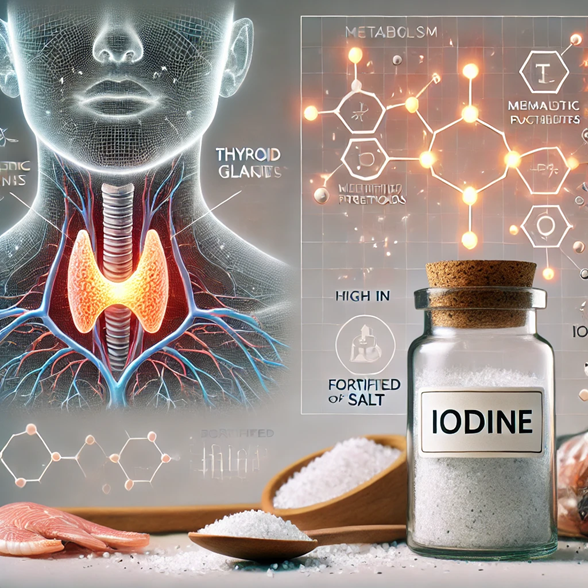
The thyroid gland sits in your neck, shaped like a butterfly. Despite its small size, it helps control many aspects of your body’s function. When I first saw a real thyroid gland in a biology lab, I was amazed at how such a tiny organ could influence so many processes, from growth to mood. The thyroid uses iodine from our diet to make hormones that travel all around our body, telling cells how to use energy.
When the thyroid works properly, you might not even notice it. But if it starts making too much or too little hormone, you can feel tired, gain weight, or sometimes feel nervous. Good iodine intake helps keep this gland in balance, making sure it produces just the right amount of hormones for a healthy body.
Iodine’s Role in Thyroid Hormones
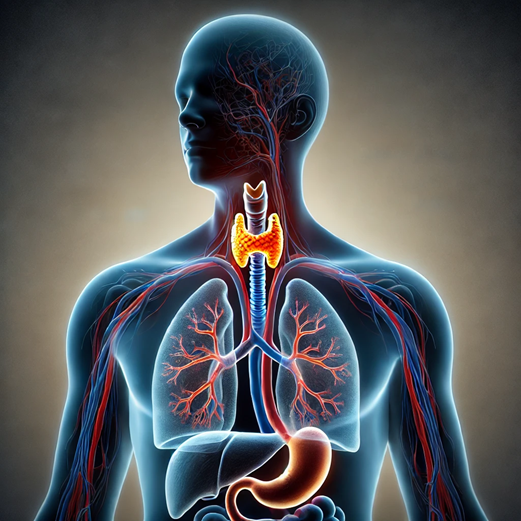
The thyroid gland produces two main hormones: T3 (triiodothyronine) and T4 (thyroxine). Both rely on iodine to work. Think of iodine like a key that unlocks the ability for these hormones to control how cells create and use energy. Back in my early research days, I remember seeing how people who had very low iodine struggled with energy levels, almost like a car low on fuel.
These thyroid hormones do much more than just provide energy. They also keep organs like your heart and brain in good working order. If your iodine levels drop, your thyroid can’t make enough T3 and T4, leading to slower body functions, mood swings, and even weight changes. By understanding how iodine connects to T3 and T4, it becomes clear why getting enough iodine every day is so important.
Metabolism: Iodine’s Part in Energy Regulation
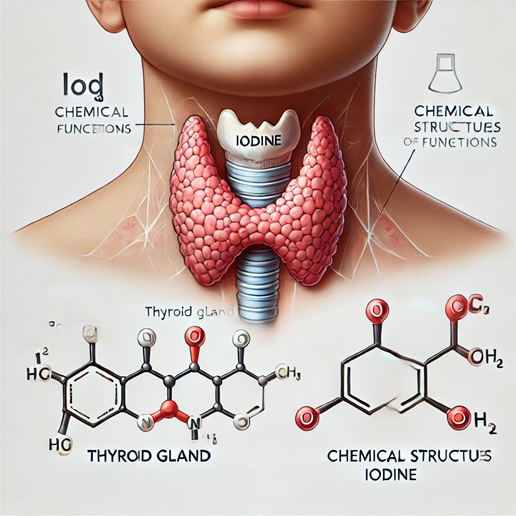
When you talk about metabolism, you’re really talking about how your body uses energy. If your metabolism is fast, your cells are burning energy at a higher speed. If it’s slow, you may feel tired and notice weight gain. I recall helping a friend who had issues with weight gain. After some tests, the doctor found out her thyroid wasn’t getting enough iodine to produce enough hormones. Once she improved her iodine intake, along with doctor guidance, her metabolism seemed to pick up.
This does not mean iodine alone will fix every weight problem, but it’s one important piece of the puzzle. Getting the right iodine levels helps the thyroid produce the right amount of hormones, which keeps your body’s energy usage balanced.
Iodine and Children’s Growth
Children need iodine to grow properly, especially in their brains. If a mother doesn’t get enough iodine during pregnancy, it can lead to problems in the baby’s learning and mental development. I once met a family who lived in an area with low iodine levels in the soil. Their child had mild problems with concentration at school. Once they learned about iodine and introduced iodized salt and other foods, they noticed improvements over time.
This mineral helps create the hormones that control how cells use energy, including brain cells. Getting enough iodine during those important early years helps set the stage for healthy physical and mental development. It’s why many schools and hospitals around the world encourage parents to use iodized salt or eat more iodine-rich foods.
The Global Issue of Iodine Deficiency
While it might be surprising, many people worldwide do not get enough iodine. In certain regions, the soil and water have little iodine, so even locally grown foods can be lacking in this nutrient. Back in my university days, I visited a region where goiter (a swollen thyroid) was very common because of low iodine intake. Seeing the impact firsthand made me realize how simple it can be to fix: using iodized salt or eating seafood can really help.
But remember, too much iodine can also cause problems. That’s why it’s important to find a good balance. Public health programs often try to add iodine to everyday items, like salt, to help entire communities stay healthy.
When Iodine Becomes Too Much
Although iodine is vital, having too much can upset your thyroid gland’s normal work. Sometimes, the gland reacts to extra iodine by producing too many hormones, which is called hyperthyroidism. Or it might temporarily shut down to protect itself, a phenomenon known as the Wolff-Chaikoff effect. I once saw a person who started taking very high-dose iodine supplements without medical advice. Their thyroid levels became unbalanced, and they had to stop the supplements right away.
The key lesson is that you need the right amount—not too little, not too much. If you’re eating a balanced diet that includes iodized salt and some iodine-rich foods, chances are you’re on track. If you’re worried about your intake, though, it’s best to ask a healthcare provider.
Great Food Sources of Iodine
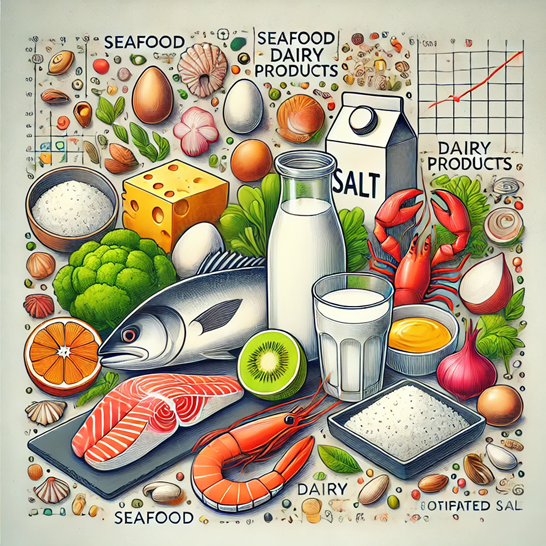
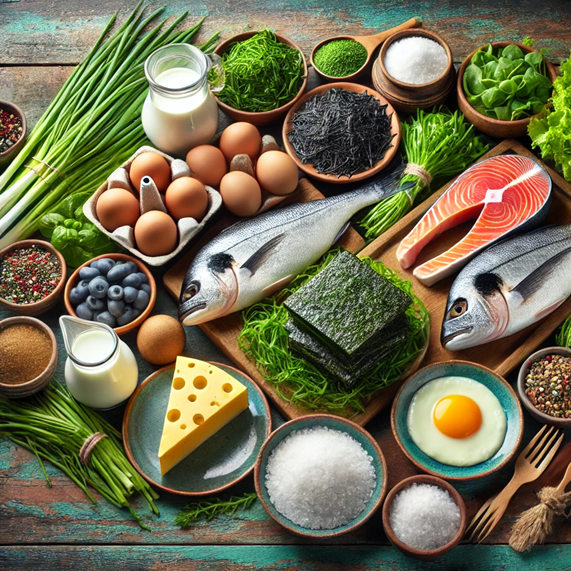
If you like seafood, you’re in luck because fish, seaweed, and shellfish are some of the best sources of iodine. But if you’re not a fan of fish, don’t worry. Dairy products and eggs also supply iodine. One simple way many people get enough iodine is through iodized salt, which has iodine added to it. I personally enjoy sprinkling a bit of kelp granules, which are a seaweed product, onto soups and salads. It adds a nice flavor and a small iodine boost.
Daily Intake: A Quick View
Different people need different amounts of iodine. Pregnant women, for instance, need more to help their babies grow. Below is a simple table showing how much iodine most people need each day.
Most people can meet these numbers by eating a balanced diet. If you’re worried, talk with a healthcare provider who can check your levels or suggest a supplement if needed.
Iodine’s Feedback Loop with TSH
Your body uses a feedback loop to keep thyroid hormones balanced. The pituitary gland releases TSH (Thyroid Stimulating Hormone), which tells the thyroid to make more T3 and T4. If there’s enough iodine, the thyroid can keep up with TSH’s requests. But if there isn’t enough iodine, or if there’s too much, TSH levels might spike or drop.
One detail that fascinates me is how a small change in iodine intake can have a ripple effect on TSH levels. If TSH stays too high for too long, the thyroid can overwork and become enlarged (a goiter). This loop reminds me of a thermostat in a house: you want just the right setting for comfort. Similarly, your body wants just the right amount of iodine to keep hormone levels perfect.
Personal Thoughts and Anecdotes
As someone who studied the thyroid gland closely, I’ve seen how people can overlook iodine. A friend of mine once started feeling very tired and chilly even in warm weather. Doctors discovered her iodine intake was very low. After making small changes, like eating fish more often, she felt much better in just a few weeks. These kinds of stories always remind me that small nutrition tweaks can have a big impact.
If you suspect your thyroid is sluggish, check if you might need more iodine. However, do not assume that all problems come from iodine alone. It’s one piece of a big puzzle involving diet, exercise, sleep, and overall health. Consulting with a professional is always the best first step if you’re experiencing thyroid issues.
Conclusion on Iodine and Thyroid Health
Iodine is a small but mighty mineral that your thyroid gland depends on to produce the hormones that keep your metabolism on track. From helping children’s brains develop properly to keeping adults energized, iodine influences many parts of our lives. Getting enough iodine usually isn’t hard if you eat foods like fish, dairy, or use iodized salt.
However, both too little and too much iodine can cause problems. That’s why it’s important to aim for the sweet spot. If you’re unsure about your iodine levels, a doctor can do a simple test. Hopefully, this information has given you a good idea of how iodine works with the thyroid gland and why it’s something to keep on your radar.
Frequently Asked Questions
Q1: Can I get too much iodine just by eating foods like fish?
In most cases, no. Most people don’t eat enough iodine-rich foods to exceed safe levels. But some seaweeds have very high iodine, so moderation is key.
Q2: Is iodized salt enough to meet my daily needs?
Often, yes. Just be sure you’re using it regularly. If you have specific health concerns, talk to a healthcare professional.
Q3: Can iodine deficiency cause weight gain?
Yes. If your thyroid can’t produce enough hormones due to low iodine, your metabolism may slow down, leading to weight issues.
Q4: Do children need a different amount of iodine than adults?
Yes. Children often need less overall, but it must be enough to support their growth. Pregnant women and breastfeeding mothers need the most.
Q5: How quickly can I notice changes if I fix my iodine intake?
Some people feel better in a few weeks. Others may take a bit longer, depending on factors like overall health and thyroid condition.