
Prenatal Gummies vs Pills-Which is Better?
Choosing the right prenatal supplement can feel overwhelming with so many options available. Prenatal vitamins play a vital role in supporting your baby’s growth and your own health during pregnancy. But the question many expectant mothers ask is: should I take prenatal gummies or traditional pills? This doctor-reviewed guide breaks down the differences, benefits, and risks of prenatal gummies versus pills, helping you make an informed decision that fits your lifestyle and nutritional needs.
What Are Prenatal Vitamins?
Prenatal vitamins are specially formulated supplements containing key nutrients critical for pregnancy, such as folic acid, iron, calcium, vitamin D, and DHA. They help fill dietary gaps and reduce risks of birth defects, anemia, and other pregnancy-related complications.
Why Are Prenatal Vitamins Essential?
Pregnancy increases the demand for specific nutrients to support fetal development and maternal well-being. Common causes for supplementation include:
- Increased blood volume requiring more iron
- Neural tube formation needing folic acid
- Bone development and calcium metabolism requiring calcium and vitamin D
- Brain growth needing DHA and other essential fatty acids
Symptoms of nutrient inadequacy during pregnancy include fatigue, weak immunity, cramps, or complications in fetal growth.
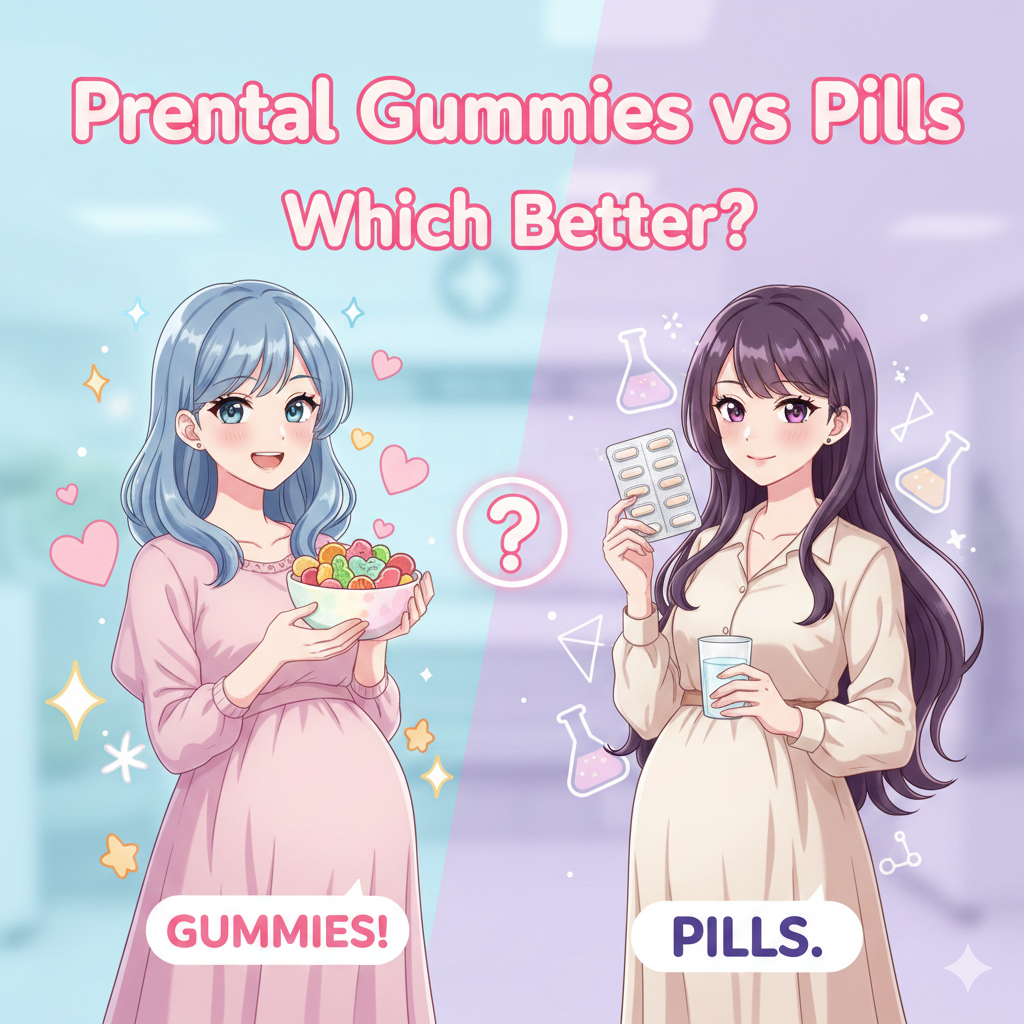
Prenatal Gummies vs Pills — Key Differences and Benefits
1:Prenatal Gummies:
- Easier to swallow and often more palatable
- Often preferred by women who experience nausea or pill aversion
- Limited inclusion of some essential nutrients, especially iron and DHA
- May contain added sugars and artificial colors
2:Prenatal Pills:
- Typically contain full recommended dosages of all essential nutrients
- No added sugars or flavorings, making them better for blood sugar management
- More cost-effective and widely studied
- Some may cause gastrointestinal irritation or pill fatigue
Possible Risks and Considerations
- Gummies may not deliver adequate doses of iron, increasing anemia risk if not supplemented separately
- Pills can be difficult to swallow or cause nausea in some pregnant women
- Over-supplementing by taking additional fortified foods or multiple supplements can cause toxicity
- Allergic reactions and sensitivities possible in either form
- Quality varies among brands; choose pediatrician-approved, doctor-reviewed products
Recommended Daily Intake for Pregnancy Nutrients
The American College of Obstetricians and Gynecologists (ACOG) and NIH recommend:
- Folic acid: 400-800 mcg daily (higher for high-risk pregnancies)
- Iron: 27 mg daily
- Calcium: 1,000 mg daily
- Vitamin D: 600 IU daily
- DHA: 200-300 mg daily
Food Sources vs Supplements
While prenatal vitamins are crucial, obtaining nutrients from food remains essential. Eat folate-rich greens, iron-packed lean meats, calcium-fortified dairy or alternatives, and sources of omega-3 fatty acids such as fish or plant oils.
Natural Alternatives & Tips for Supplementing
- Incorporate leafy greens, citrus fruits, beans, and nuts into your diet
- Pair iron-rich foods with vitamin C for better absorption
- Discuss omega-3 supplementation options with your healthcare provider
- Store gummies properly to avoid spoilage
Key Takeaways
- Prenatal pills generally provide a more complete nutrient profile compared to gummies.
- Gummies offer improved taste and ease of consumption but may lack critical nutrients like iron and DHA.
- Choose pediatrician-approved, doctor-reviewed brands according to your personal needs and tolerances.
- Complement supplementation with a balanced, nutrient-rich diet.
Common Myths vs Facts
Myth: Gummies are candy and less effective.
Fact: High-quality prenatal gummies meet nutritional standards but check for added sugars and missing nutrients.
Myth: Pills always cause nausea and should be avoided.
Fact: Some experience discomfort, but taking pills with food or at bedtime can reduce symptoms.
Myth: Prenatal vitamins replace a healthy diet.
Fact: Supplements support but do not replace nutritious eating.
Myth: You can safely take any prenatal supplement without consulting a doctor.
Fact: Doctor guidance is essential to avoid overdose or interactions.
Conclusion:
Choosing between prenatal gummies and pills is a personal decision and depends on your health needs, tolerance, and preferences. Both forms are effective when chosen carefully and used as part of a comprehensive prenatal care plan. Consult your pediatrician or obstetrician to select a doctor-formulated, pediatrician-approved supplement that supports your journey. Parents looking for trustworthy options can explore our Prenatal Gummies at McKnightMD, expertly designed for maternal and fetal health.
Author Bio:
Dr. Timothy J. McKnight, MD, is a board-certified pediatrician specializing in maternal and child health, with a focus on preventive care and practical guidance for parents.
Medical Review Note:
This article is reviewed by Dr. Timothy J. McKnight, MD, ensuring alignment with NIH, Mayo Clinic, and ACOG recommendations.